The video of this sermon being preached appears at the bottom of the post.

This morning’s reading from the gospel according to Luke, his account of the ministry of John the Baptist and remarkably brief telling of the baptism of Jesus, starts with a litany of governmental leaders. Luke tells us who all the powerful people are in the Roman world and in the regions that will be important in Jesus’ ministry – Judea, and Galilee, and more. He mentions by name not only the governmental leaders of the leaders of the Jewish community who work in some relationship with the governmental leaders, a relationship that will become important to remember several years later when all of these empire leaders conspire to put Jesus to death.
Luke starts with this time stamp and this recognition of the “powers and principalities,” but then very quickly pivots and in the same sentence says the word of God came not to these, but to John, the son of Zechariah, who was in the wilderness. The word of God, Luke is telling us, the words that John delivered, the ministry he was about, is for and among the people of God. John’s words that we heard, and will hear more about, are kind of harsh, right? They do not tiptoe around and make the people feel good. They do not allow the people who hear them simply to cast judgement on the evil empire or those corrupt rulers in Rome (or liars in Washington) and absolve themselves from any guilt. They confront us, and they call us to listen up and pay attention. This repentance stuff starts at home.
Continue reading

 supremacist rally and counter-demonstrations that took place in Charlottesville, Virginia that weekend. The news and the shock many people were feeling was still so very raw. I promised that while our worship was not changing in light of the events that had been taking place over the last 36 hours or so, we would be revisiting it in the weeks and months to come. We are this morning, and we have to continue to as we move forward.
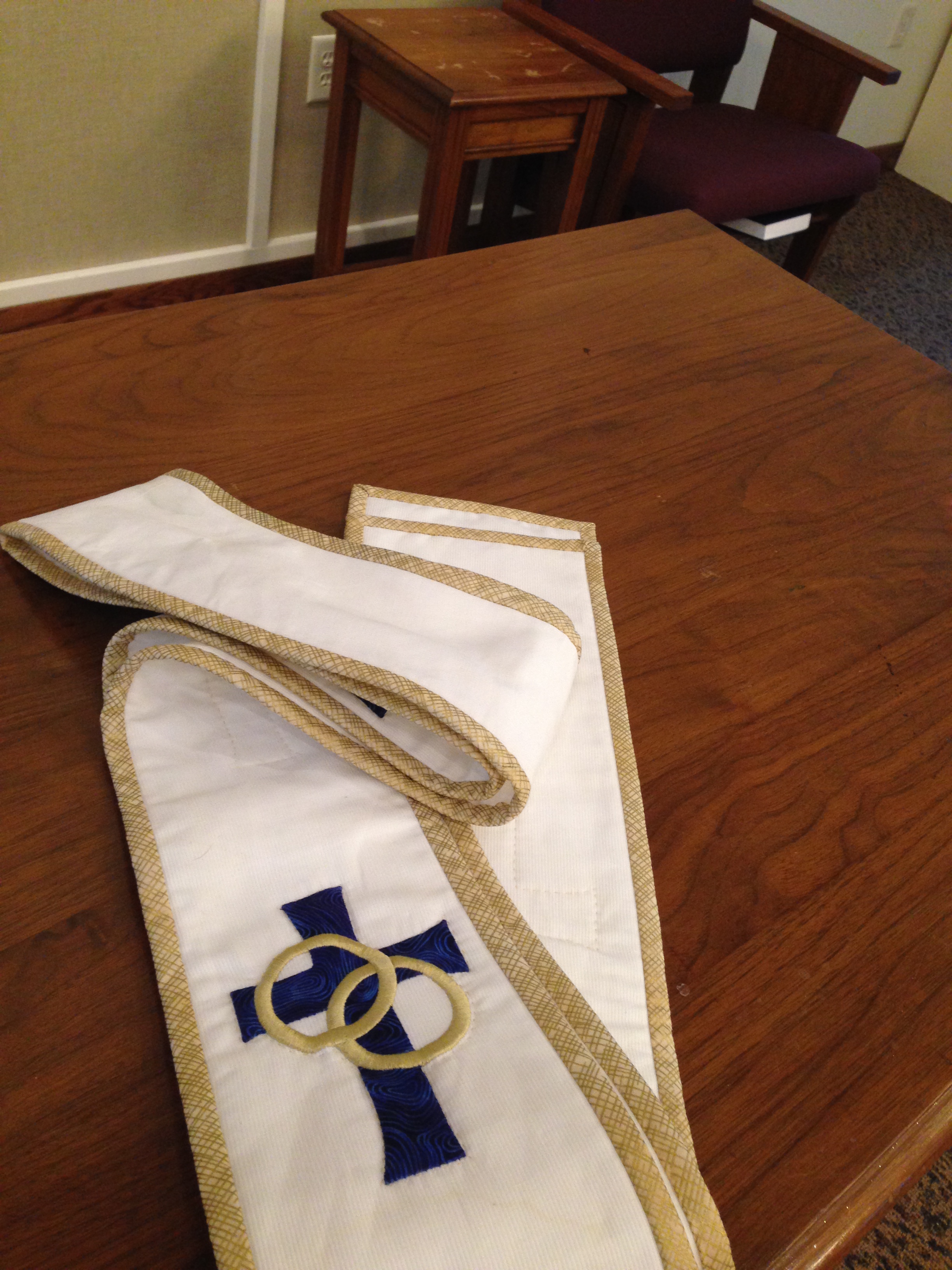 the congregation to communicate a resolution that had passed that would make permissible, upon routine session approval, marriages between any two people for whom it is legal. In other words, the session made the statement that weddings between same-sex couples would be considered and approved according to the same process and standards as weddings between opposite-sex couples. Our church would not discriminate against same-sex couples seeking God’s blessing on and the church’s recognition of their marriage. The sermon I preached later in that worship service is
 For Some Reason