Jeremiah, a prophet of God, ministered to the people of the southern kingdom of Judah at the end of the 7th century BCE and into the 6th century. The kings that followed Saul, David, and Solomon by and large had not led the people well, and because of the nations’ idolatry, exploitation of the poor, and oppression of people on the margins, their kingdoms have crumbled under outside pressure.
The reading we will hear today is from a letter Jeremiah wrote to some of the people of Judah who have been taken into exile when the natural consequence of the nation’s sin led to their conquer by Babylon. It’s not totally clear how long they have been in exile, anywhere from 1 to 2 years to 10. It’s long enough for them to wonder how they are supposed to live in this strange time in a strange land, and long enough for false prophets to pop up, those who predict a speedy end to this momentary unpleasantness.
Jeremiah 29:1, 4-14
By the rivers of Babylon—
there we sat down and there we wept
when we remembered Zion.
On the willows there
we hung up our harps.
For there our captors
asked us for songs,
and our tormentors asked for mirth, saying,
‘Sing us one of the songs of Zion!’
How could we sing the Lord’s song
in a foreign land?
If I forget you, O Jerusalem,
let my right hand wither!
Let my tongue cling to the roof of my mouth,
if I do not remember you,
if I do not set Jerusalem
above my highest joy.
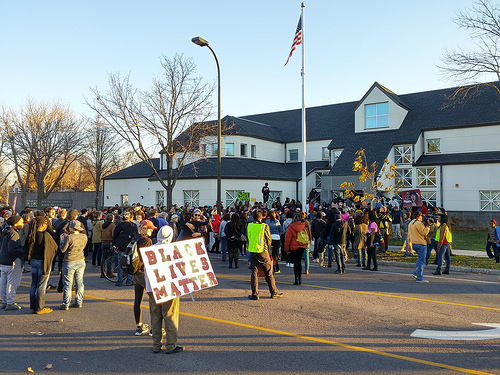 two men in their twenties had been arrested for shooting five people involved in the protests around the recent police killing of an African American man in north Minneapolis. Two more were later arrested, all four were suspected white supremacists. It was just hours before the dashboard cam video of the horrific killing of teenager Laquan McDonald in Chicago was released worldwide. Add these recent events to the recent terrifying tide of violence and centuries old systemic racism against African Americans in this country and in this week of giving thanks instead I was asking, along with throngs of others online and around the country, “How long, O Lord?”
  For Some Reason